

Hollandaise Sausage (Or Biting the Hand that Feeds You)
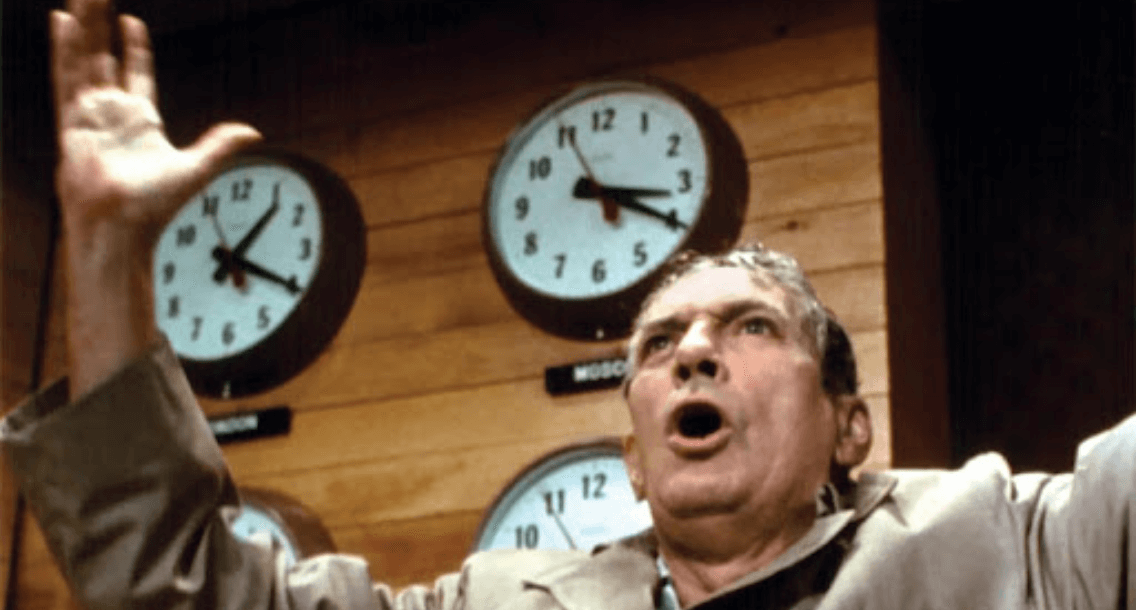
When TV anchorman Howard Beale learns he’s about to lose his job in the 1976 classic “Network,” he becomes justifiably irate, leading to one of the most famous lines in movie history: “I’m as mad as hell, and I’m not going to take this anymore” — screamed out a window for all to hear. Fifty years later, that sentiment resonates with audiences as much as ever. Just ask the Dutch dairy farmers who fear the country’s overbearing environmental regulations will put them out of business. At least the farmers recognize muddled and befuddled policies when they see them. If only policymakers could.
Carey Smith | Founding Contrarian
A while ago I wrote about the folly of pushing heat pumps in cold climates to increase energy efficiency. I compared it to a similar push for diesel-fueled vehicles back in the 1990s. Thanks to that harebrained notion, we now live in a sootier, more polluted world. But when it comes to promoting ideas that pose a bigger risk than any problem they seek to correct, climate activists represent the gift that keeps on giving. There’s no end to the crazy “solutions” they put forward.
Enter the poor Dutch farmer whose farm has been labeled a “peak polluter” by the powers-that-be, thanks to the nitrogen his cows liberate yearly. The designation means that not only must he fly a bright red flag outside his home and see his business labeled with the scarlet letters online, but he foresees credit being harder, if not impossible, to get, and worst of all, fears he could lose the farm entirely to a government buyout he considers insulting. Talk about “biting the hand that feeds you.”
No wonder he’s mad as hell. Everyone in The Netherlands should be, because calls to shut down “peak polluters” threaten to take a big bite out of their meat and dairy supply. What the hell are they going to do then? Truck it in? Imagine the expense (and the carbon footprint). Eat laboratory meat? They’d have to churn out hundreds of millions of tons a year, and building the facilities to do that is likely to set off all kinds of alarms, given the many emissions restrictions they’re enacting. Maybe the idea is to just “let them eat cake.”
Does nobody ever think these things through? Obviously not. It reminds me of the time a couple of Ivy League-educated 23-year-olds came to the fan company and gave us a lecture on energy efficiency. Their solution was to not turn the fans on at all, because the most efficient ceiling fan is one that’s inoperable.
They can’t do away with legacy admissions soon enough.
The point is, there’s always going to be unintended consequences for an action, and they can end up being worse than the “problem” they’re attempting to solve, particularly when it comes to living things — the invasive and dangerous cane toad was imported to Australia to control pest beetles, while the kudzu vine was introduced in the American South to keep land from turning to dust and blowing away during the extreme drought of the 1930s.
We read about examples like these in history and encounter new ones everyday. And largely they’re the result of under-educated — especially as it relates to the scientific method — people in government. These bureaucrats and politicians act irrationally, think in the short term, and focus on the lowest-hanging fruit — the farmers in this case, who they think of in terms of collateral damage.
It all makes me as mad as hell. But probably not as mad as the Dutch “peak polluters” who fear for their livelihoods. For them, another line from the Network anchorman’s rant is more fitting: “I’m a human being, goddammit. My life has value.”