

Who’s on Board? (Or Saving CEOs from Themselves)
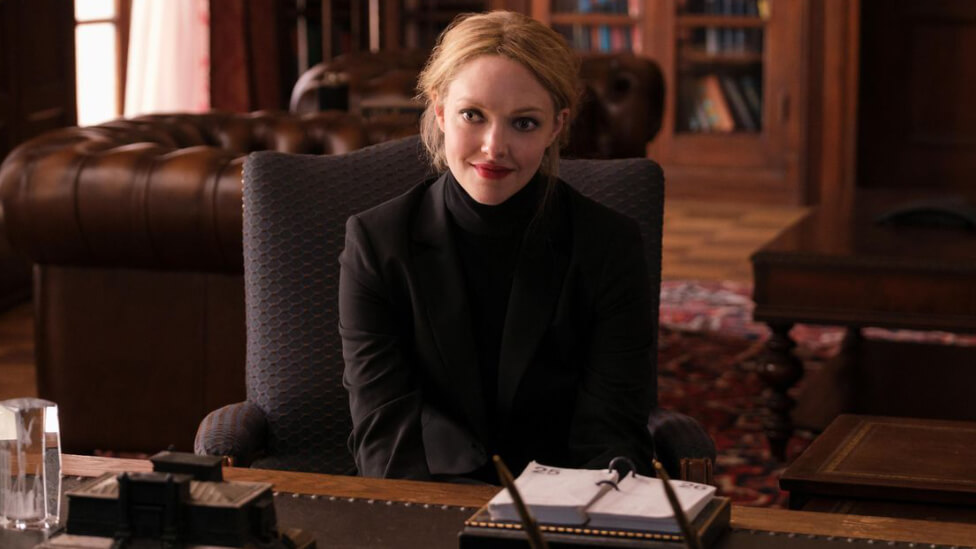
_In “The Dropout,” the made-for-streaming version of the Theranos debacle, Elizabeth Holmes tearfully persuades her board to let her stay on as CEO after telling them of her plan to bring on a big investor as COO. It was one of the only times that her “show board” ever indicated any misgivings about her abilities, going so far as to suggest she needed adult supervision. Too bad nobody oversaw her board of mostly doddering statesmen, who represented everything a board should not be__._
Carey Smith | Founding Contrarian
Secret proceedings and the limitations of the human mind were on clear display recently in the very public airing of the OpenAI board’s dirty laundry, which led to the firing of CEO Sam Altman and his rehiring several days later, after nearly everyone in the company threatened to quit if he weren’t reinstated. When the dust settled, five board members were out: Altman; OpenAI co-founder, president and board chair Greg Brockman; co-founder Ilya Sutskever; and two vocal advocates of the effective altruism movement, who saw their role as protecting the world from the dangers of AI. In their place, a provisional three-person board was appointed.
The purpose and responsibility of the OpenAI board, supposedly, is not to protect investors, like other boards, but to ensure that humanity is not threatened by AI development. Talk about a mission statement — especially when you consider that the provisional board was made up of former Harvard President Larry Summers, former Twitter Board Chair Bret Taylor, and the co-founder of Quora. Is humanity safe in their hands? Oh yeah, I almost forgot: Major backer Microsoft will function as an “observer.”
Getting Altman off the board was definitely the right move. CEOs absolutely don’t belong there, though of course they all want to be on them in order to squelch criticism. Many even serve as board chair, which is why so few boards, which are supposed to protect investors, actually do. Talk about the fox guarding the hen house.
Here at Unorthodox Ventures, we had a situation where we were advising a CEO, who also served as board chair and refused to admit he needed outside help. He resisted bringing on someone with practical expertise in an area where he was lacking. Instead, being also averse to criticism, he insisted on adding someone he believed would be a rubber stamp. When that board member ultimately sided with the critics, the CEO fired him. And so it goes.
In the case of OpenAI, having the CEO privy to everything would seem to make saving humanity a heckuva lot harder. The same goes for close Altman chum Brockman. But I imagine both of them will have significant say in board membership later on. Altman, of course, eventually rejoined the board.
Who won’t have a say at least are the ousted pair of ineffective altruists. Despite their academic experience — wait, did I say despite? I meant due to — they seem totally unschooled when it comes to the most basic elements of business. Otherwise why would they act in a way that threatens the company and the livelihood of hundreds if not thousands of people? That’s one crazy definition of altruism, if you ask me. But then, did anyone with any sense ever take that cockamamie movement seriously?
Let’s face it: Even most run-of-the-mill boards, the ones whose fiduciary responsibility is merely to investors and not the human race, are pretty worthless. Too many people see serving on them as a feather in their cap and an excuse to sit around and yammer. It’s boring as hell.
But every once in a while, a board functions as it should, because CEOs accept that even they can benefit from the expertise of others. They don’t try to stack the board with buddies — or feeble-minded bold-face names, like Elizabeth Holmes did — and they don’t insist on a place at the table themselves. They go looking for people with experience in the areas where they need help most, and listen with an open mind when suggestions are made to do things differently.
As far as OpenAI and humanity are concerned, I’m an optimist. I don’t for a second think that the planet’s population is in peril. And that’s a good thing, because if it were, and it was up to ex-Harvard presidents, Twitter board chairs and effective altruism acolytes to save us, we’d all be in a serious pickle.